When 'Close Enough' Costs a Fortune: How Temporary Fixes Quietly Snowball Into Major Repairs
There's a particular kind of satisfaction that comes from slapping a fix on a problem and moving on with your weekend. Tube of caulk here, drywall patch there, a little paint to blend it in — done. Problem solved, right?
Not always. Sometimes that 15-minute fix is genuinely fine. But sometimes it's a ticking clock, quietly buying time while a much bigger, much more expensive problem brews underneath. Knowing the difference is one of the most valuable skills a DIYer can develop — and it's one most homeowners learn the hard way.
Let's talk about why some temporary fixes are totally reasonable and why others are basically paying interest on a debt you haven't acknowledged yet.
The Problem With Fixing the Symptom Instead of the Cause
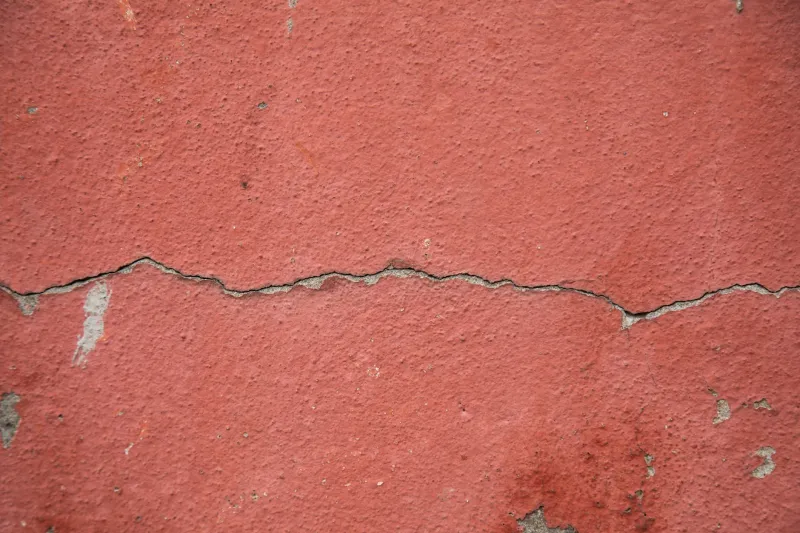
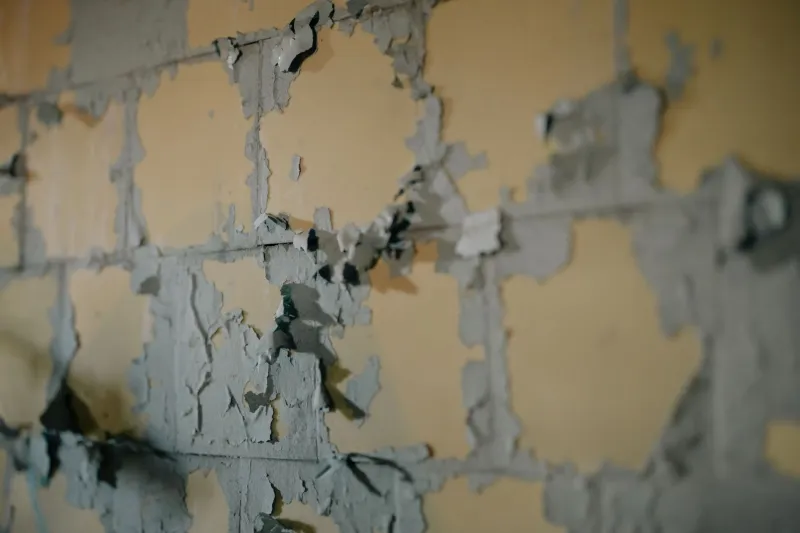
Most band-aid repairs fail for one simple reason: they address what you can see without dealing with what's actually happening. The visible stuff — the stain, the crack, the peeling paint — is just your home's way of waving a flag. When you cover the flag without investigating why it went up, the underlying issue keeps doing its thing, usually getting worse.
Take a common scenario: you notice a small water stain on your bathroom ceiling. You scrape it, prime it, paint over it. Looks great. Six months later, the stain is back, bigger this time, and now there's a soft spot in the drywall. What started as maybe a $40 fix — tightening a supply line fitting or reseating a toilet wax ring — has turned into drywall replacement, potential subfloor damage, and possibly mold remediation. That's easily a $500 to $2,000 problem depending on how far it spread.
The fix wasn't wrong, exactly. The mistake was skipping the five minutes it would've taken to figure out where the water was coming from before breaking out the paint roller.
Real Scenarios Where Shortcuts Backfire
Caulking Over Mold This one is surprisingly common. You spot some dark discoloration around the tub or in a corner of the shower, hit it with a bead of fresh caulk, and call it a day. The problem? Caulk doesn't kill mold — it just hides it. Mold continues growing behind and beneath the new caulk, eventually working its way back to the surface and potentially spreading into the wall cavity. Now instead of cleaning and recaulking a tub surround (a Saturday afternoon project), you're looking at tile removal, possible backer board replacement, and a mold remediation job that could run into the thousands.
The right move: remove the old caulk completely, treat the area with a proper mold-killing solution, let it dry thoroughly, and then recaulk with a mold-resistant product. Takes longer. Worth it every time.
Patching Drywall Without Finding the Source Drywall cracks and holes happen, and plenty of them are purely cosmetic — settling, a doorknob that got away from someone, normal wear. Patching those is completely appropriate. But drywall damage that comes with staining, soft spots, or recurrence after patching is telling you something. Moisture intrusion, a slow plumbing leak, or even structural movement can all show up as drywall damage first. Patch without investigating, and you'll be patching again — and again — until you eventually open up the wall and find the real mess waiting for you.
Using the Wrong Materials to Save a Few Bucks It's tempting to grab whatever caulk, adhesive, or filler is cheapest or already sitting in the garage. But material mismatches are one of the most reliable ways to create future problems. Interior caulk used in an exterior application won't handle temperature swings and moisture — it'll crack within a season. Standard drywall compound used to fill a gap in a wet area will absorb moisture and fail. The wrong type of wood filler on a high-traffic surface will crumble. These aren't catastrophic failures on their own, but they add up, and they often allow water or air infiltration that causes secondary damage.
How to Tell If a Temporary Fix Is Actually Acceptable
Not every stopgap is a mistake. Sometimes a temporary fix is exactly the right call — you're buying time while you save up for the real repair, or you're stabilizing a situation before a contractor can get out. The key is being honest with yourself about what you're doing and setting a real deadline.
Here's a simple framework to run through before you reach for the quick fix:
1. Do you know what caused this? If the answer is no, stop. Covering up a problem you don't understand is almost always a mistake. Spend the time — even if it's just 20 minutes of research or a call to a knowledgeable friend — to understand what you're actually dealing with.
2. Is the underlying issue still active? A crack in drywall from a one-time event (like the house settling after a drought) that hasn't changed in years is probably safe to patch. A crack that keeps coming back or is growing is active — patching it without addressing the cause is wasted effort.
3. What's the failure mode if this fix doesn't hold? Some failures are inconvenient. Others are expensive or dangerous. A patch on a cosmetic crack that reopens means you repaint. A patch on a leaking pipe fitting that fails means water damage. Risk-assess your fix before you decide how much effort it deserves.
4. Are you creating a hidden problem? This is the big one. If your fix seals something in — moisture, mold, a structural issue — you're not solving the problem, you're just making it harder to find later. Hidden problems are always more expensive to fix than visible ones.
The Real Cost of Kicking the Can
Homeowners often think of deferred repairs in terms of the repair cost itself. But the real math includes the damage that accumulates while you wait. A $200 plumbing fix ignored for a year can become a $3,000 subfloor replacement. A $150 exterior caulking job skipped for two winters can lead to rot that takes out a window frame. The longer a problem goes unaddressed — especially anything involving water — the more it tends to compound.
There's also the compounding stress factor. Half-fixed problems have a way of occupying mental real estate. You know the fix is temporary. It nags at you. And when it eventually fails at the worst possible time (they always seem to), you're dealing with it under pressure instead of on your own terms.
Doing It Right the First Time Doesn't Always Mean Doing It Expensively
Here's the good news: the permanent fix isn't always dramatically more work than the temporary one. Sometimes it's just about taking an extra 20 minutes to find the source before patching. Sometimes it's spending $12 more on the right caulk instead of the wrong one. Sometimes it's watching one extra YouTube video to understand what you're actually dealing with.
The goal isn't to make every project a massive undertaking. It's to make sure that when you close up a wall, paint over a patch, or seal a gap, you're not trapping a problem inside. Your house will thank you — and so will your bank account.