Your Yard Is Soaking Your Foundation: How to Read Water Flow and Fix Drainage Before the Damage Starts
Here's a scenario that plays out in thousands of American homes every spring: a homeowner notices that musty smell creeping up from under the house, maybe spots some efflorescence on the foundation wall, or finds their crawl space insulation sagging with moisture. The instinct is to look down — at vapor barriers, sump pumps, or vents. But the smarter move? Look up and out.
The moisture invading your crawl space very likely started its journey in your front yard. Or your backyard. Or in that clogged gutter above the kitchen window. Surface water management — the way rain and snowmelt move across your property — is one of the most overlooked contributors to foundation and crawl space problems in residential homes. And the good news is that a lot of it is genuinely fixable on a weekend with the right plan.
Why Surface Water and Crawl Spaces Are More Connected Than You Think
Water follows the path of least resistance. When it rains, every drop that hits your property has to go somewhere: it either soaks into the ground, evaporates, or runs off. The problem starts when your landscaping, grading, or drainage infrastructure is quietly directing that water toward your house instead of away from it.
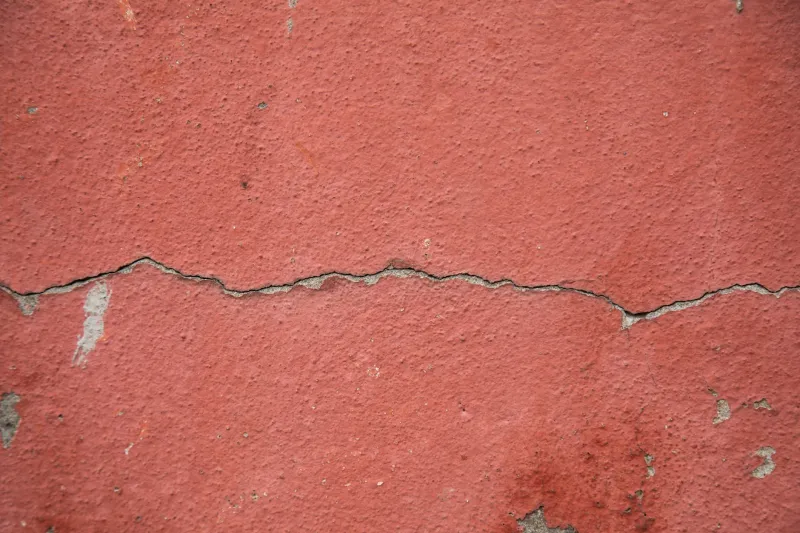
Once water pools near your foundation, it doesn't just sit there politely. It saturates the soil, builds up hydrostatic pressure against your foundation walls, and finds every tiny crack, gap, and porous surface it can exploit. In a crawl space, that translates to elevated humidity, wood rot, mold growth, and — over time — structural compromise that gets very expensive very fast.
The fix doesn't always involve a waterproofing contractor and a five-figure bill. Sometimes it starts with a shovel, some gravel, and a few downspout extensions from your local hardware store.
Step One: Walk Your Property Like a Water Detective
Before you spend a dime, spend 20 minutes outside during or right after a heavy rain. This is the single most valuable diagnostic tool available to any homeowner, and it costs nothing.
What you're looking for:
- Pooling water anywhere within 10 feet of your foundation
- Soil that slopes toward the house rather than away from it
- Downspouts that discharge water close to the foundation or into beds that drain back toward the house
- Low spots in the yard that act as collection basins after rain
- Mulched beds built up against the siding or foundation — these are notorious moisture traps
Take photos. Mark problem areas on a rough sketch of your property. You're essentially mapping where water gathers and travels, which tells you exactly where to intervene.
Regrading: The Most Impactful Fix Most Homeowners Skip
The IRC (International Residential Code) recommends that the ground around your foundation slope away at a rate of at least 6 inches over the first 10 feet. A lot of older homes — and even some newer ones — don't meet that standard after years of soil settling.
Regrading a small section around your foundation is a legitimate DIY project. You'll need clean fill dirt (not topsoil, which retains too much moisture), a tamper, and a little patience. The goal is to build up the grade so water naturally flows away from the house. Avoid using straight clay soil, which can crack and channel water unpredictably.
For larger areas or significant slope correction, renting a plate compactor makes the job cleaner and more effective. Most tool rental shops carry them, and a half-day rental runs about $60–$90 depending on your area.
Don't Underestimate Your Gutters
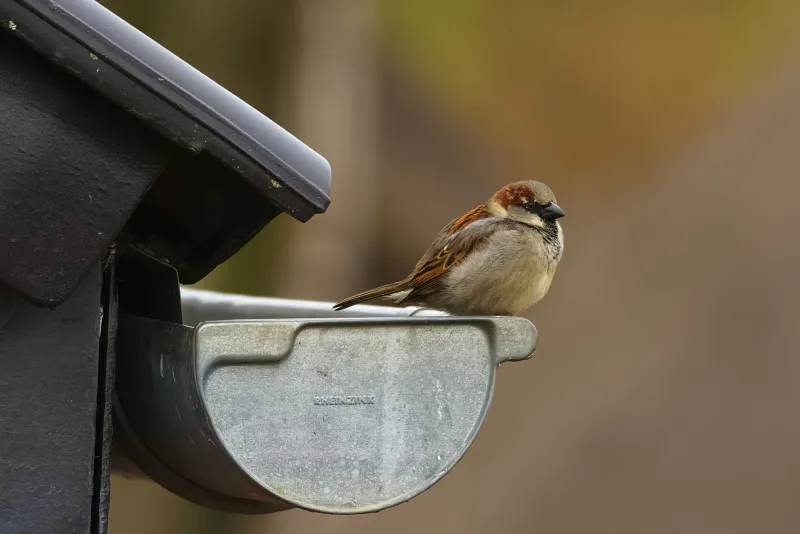
Your gutter system is your home's first line of defense against surface water — and most of them are quietly failing at that job. Clogged gutters overflow and dump water directly against your foundation. Gutters pitched incorrectly pool water and eventually pull away from the fascia. Downspouts that terminate too close to the house funnel concentrated water right where you don't want it.
A few straightforward fixes:
Clean your gutters twice a year — spring and fall at minimum. If you've got heavy tree coverage, consider quarterly cleanings or installing gutter guards.
Check your pitch. Gutters should slope about a quarter inch for every 10 feet toward the downspout. You can verify this with a simple level and a tape measure.
Extend your downspouts. This is one of the cheapest, highest-impact drainage fixes available. Downspout extenders — the flexible accordion-style ones — cost about $5–$10 at any hardware store and can move discharge water 4 to 6 feet away from your foundation. Splash blocks help too, but extensions do more work.
If you want a cleaner look, rigid aluminum extensions buried slightly underground and terminated with a pop-up emitter give you the same result with less visual clutter.
French Drains: When the Problem Is Bigger Than Grading
If you've got a persistently soggy area near your foundation that regrading alone won't solve — maybe because of a natural low point, a neighboring property that drains onto yours, or compacted soil that just won't shed water — a French drain might be the right tool.
A French drain is essentially a gravel-filled trench with a perforated pipe at the bottom that intercepts groundwater and redirects it away from problem areas. It sounds intimidating, but it's a very doable DIY project for most homeowners with a weekend and a willingness to dig.
The basic process:
- Trench along the problem area, sloping toward your chosen discharge point (a dry well, a low area of the yard, or the street curb)
- Line the trench with landscape fabric
- Add a few inches of gravel, lay the perforated pipe, cover with more gravel, and fold the fabric over the top
- Backfill with soil or decorative stone
A 50-foot French drain typically costs $200–$500 in materials if you DIY it. Hiring it out can run $1,500–$5,000 or more depending on complexity and your region.
The Landscaping Details That Make a Big Difference
A few smaller adjustments can meaningfully reduce the moisture load on your foundation:
- Pull mulch back from your foundation. Mulch against the house traps moisture and invites pests. Keep at least a 6-inch gap between mulch beds and your siding or foundation.
- Choose plants wisely near the house. Deep-rooted shrubs planted too close can disrupt grading over time. Opt for shallower-rooted ground covers in the 3-foot zone around your foundation.
- Check your window wells. If you have basement windows, make sure the wells have gravel at the bottom and aren't filling with debris that holds water against the glass and framing.
What This Saves You Down the Road
Addressing surface drainage isn't glamorous work. It doesn't transform a room or generate the kind of before-and-after photos that get shared online. But it might be the highest-ROI project you tackle this year.
Foundation repairs in the US routinely run $5,000 to $15,000 or more. Crawl space encapsulation — often necessary once chronic moisture has done its damage — can add another $3,000 to $8,000. Compare that to a few weekends of grading, a $20 downspout extension project, and a couple hundred dollars in French drain materials, and the math writes itself.
Your home's best defense isn't buried under the house. It's the ground around it, and the gutters above it. Fix the flow, and your crawl space — and your foundation — will thank you for years to come.