Secondhand Gold: How Savvy Homeowners Turned $200 Finds Into Designer-Looking Rooms
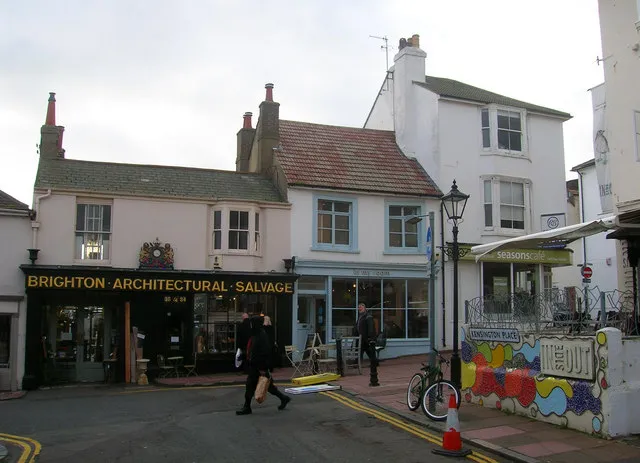
Photo: Simon Carey, CC BY-SA 2.0, via Wikimedia Commons
There's a special kind of thrill in walking into a kitchen that looks like it cost $15,000 and knowing the centerpiece came from a stranger's garage for eighty bucks. It happens more than you'd think. Marketplace listings, Habitat ReStore shelves, and local salvage yards are full of materials that just need a vision and a weekend.
Here are a few real-world style transformations — plus the rules that keep secondhand shopping from becoming a money pit.
The $85 Cabinet Run That Anchored a Whole Kitchen
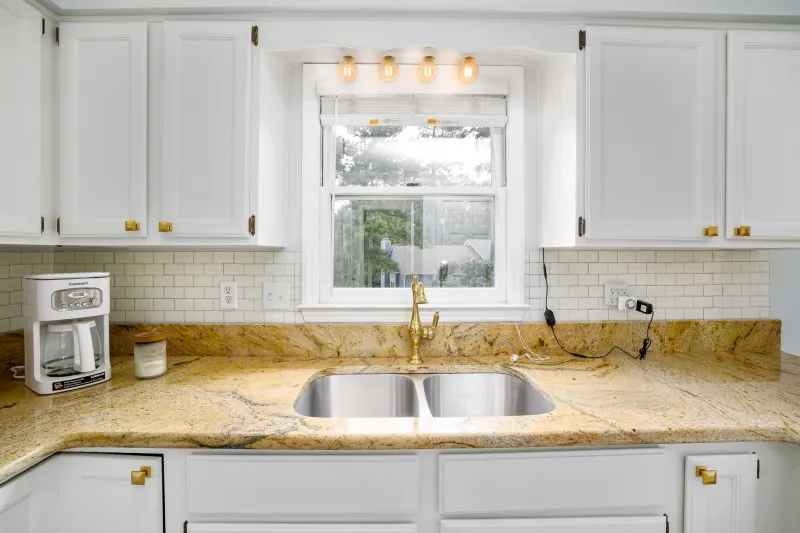
A couple in Ohio found six solid-wood upper cabinets listed at $85 for the lot when a local flipper pulled them out of a rental. They were dated orange oak — but solid wood, soft-close hinges already installed, and zero water damage.
Two cans of cabinet-grade paint, new pulls from the big box store, and one weekend later, those cabinets became the backbone of a budget kitchen refresh. Total damage: about $190 including paint and hardware. The lesson: dated finish is fixable. Cheap particleboard is not.
What made it work: solid wood construction, standard sizing, and a seller who was local enough to inspect before paying.
The Salvaged Barn Door That Cost Less Than a Night Out
A $60 barn door pulled from a farmhouse teardown became a sliding pantry door in a suburban kitchen. The hardware kit new ran about $95, and the whole project — including sanding and sealing the door — came in around $180.
Sliding doors hide a multitude of sins, and a door with genuine patina adds character no big box store can sell you. Salvage yards and demolition listings are loaded with these. Look for solid-core doors without warping; surface scratches are just free texture.
Surplus Tile: The backsplash That Should Have Cost $400
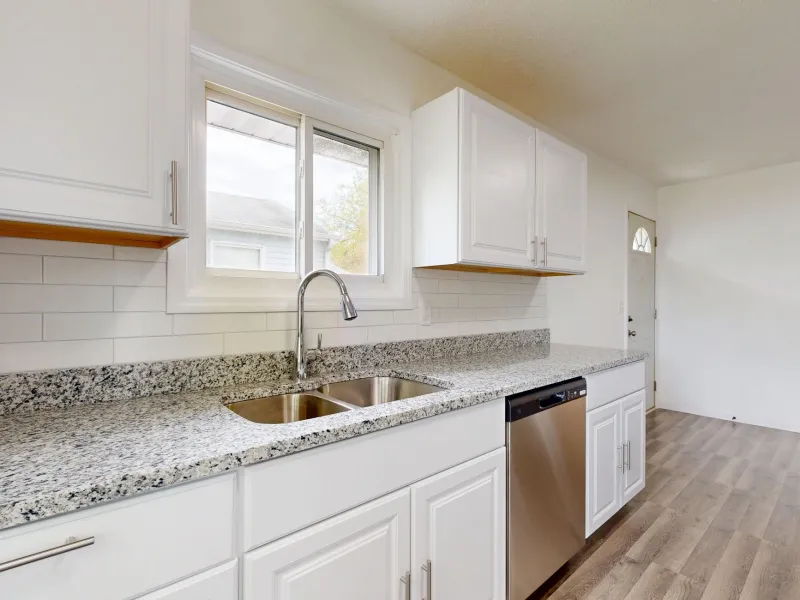
A homeowner snagged four boxes of discontinued subway tile from a contractor's leftover listing — $75 for what would retail around $400. The catch with surplus tile is always the same: measure twice, buy extra, and verify the dye lot.
She bought one extra box as insurance, and it turned out she needed every bit of it after a few breakage losses in transit. That's the surplus tile rule: never buy exactly what you need. If the seller doesn't have extra, walk away, because a half-finished backsplash with no matching tile is a permanent reminder of a shortcut.
What to Always Buy Used (And What to Never Buy Used)
Great used buys: solid wood cabinets and doors, tile and stone surplus, furniture-grade vanities, light fixtures (easy to rewire or have checked), hardware, and anything cast iron.
Never buy used: anything with hidden water exposure risk — dishwashers, washing machines, and used mattresses obviously. Also skip used paint (it goes bad), used caulking and adhesives, and electrical panels or breakers, which aren't worth the risk at any price.
Borderline: appliances. A used fridge at 30% of retail with no warranty is a coin flip. A used gas range from a non-smoking home with a tested owner? Often a fine gamble.
How to Spot a Deal Worth the Drive
Ask three questions before you leave the house: Can I see it working or fully laid out in photos? Why is it being sold? And does the price still make sense after gas, a truck rental, and a repair budget?
That third question kills more "deals" than anything. A free piano is not free if it costs $300 to move. A $50 dresser an hour away isn't a bargain if you're renting a van.
Also, set alerts. The best salvage listings in any metro go within hours, usually to contractors with alerts running. Be the first message, be polite, and be ready to pick up same-day. In the secondhand world, speed is currency.
The Real Payoff
Beyond the savings, there's something satisfying about a home built from rescued materials. That barn door has a story. Those cabinets outlived one kitchen already and will outlive yours too. New materials are convenient — but secondhand gold, with a little sweat equity, is what gives a house a personality.
Start small: one alert, one salvage yard visit, one weekend project. That's usually all it takes to get hooked.