Backsplash Showdown: Which Kitchen Option Actually Survives Real Life?
A kitchen backsplash is one of those projects that can completely transform a space without breaking the bank — or become a regret you stare at every morning while making coffee. The problem is that most comparisons focus on upfront cost and installation ease, without asking the more important question: what does it look like in year three, and what does it cost to maintain?
Let's go through the three most popular DIY backsplash options — ceramic tile, peel-and-stick panels, and beadboard — and give them an honest evaluation based on durability, maintenance, aesthetics over time, and what they signal to buyers if you ever sell.
Option 1: Ceramic or Porcelain Tile
Installation Reality
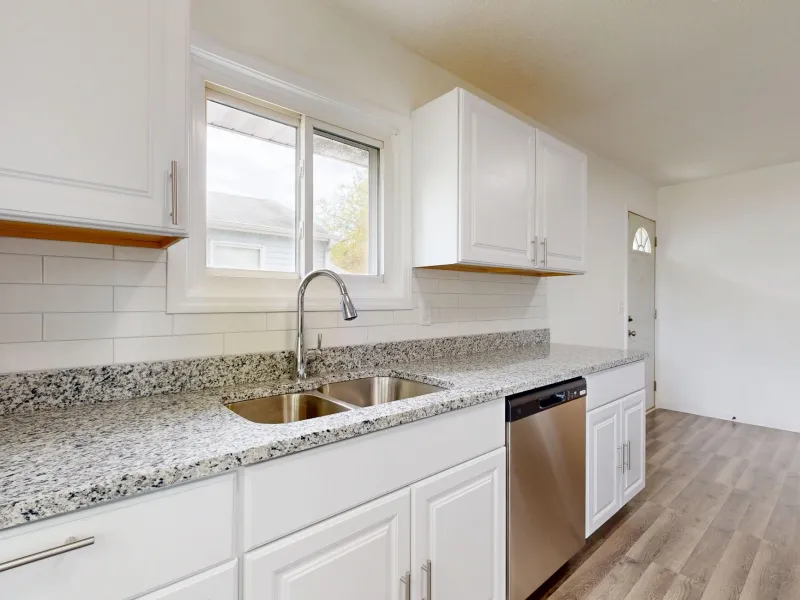
Tile is the most labor-intensive of the three options. You're looking at surface prep, tile layout planning, thinset application, tile cutting (which requires either a wet saw or a good tile cutter), grouting, and sealing. For a first-timer, a typical 15-square-foot backsplash could take a full weekend — more if anything goes wrong. Material costs vary widely, from about $2 per square foot for basic subway tile to $15+ for specialty or handmade tile.
That said, the installation process is learnable. Subway tile in a simple grid or brick pattern is genuinely beginner-friendly. Herringbone or intricate mosaic layouts are a different story — those require more experience and patience.
How It Holds Up
This is where tile wins, and it's not close. Properly installed ceramic or porcelain tile with sealed grout is essentially impervious to the steam, grease, and moisture that a kitchen generates. Five years in, a well-done tile backsplash looks the same as it did on installation day — assuming you've maintained the grout.
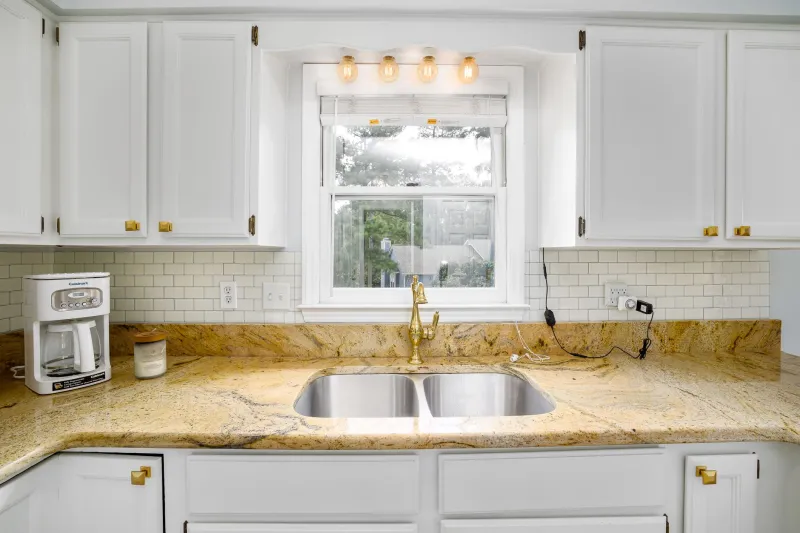
Grout is the one weak point. Unsanded grout in narrow joints and sanded grout in wider joints both need to be sealed every year or two, or they'll absorb cooking grease and discolor. White grout near a stove is a maintenance commitment. Gray or charcoal grout is far more forgiving.
Resale Perception
Tile reads as permanent and quality. Buyers and appraisers treat it as an upgrade. Classic subway tile in a neutral color is practically timeless — it won't date your kitchen the way a trendy mosaic pattern might. If you're planning to sell within five years, tile is the safest long-term investment of the three options.
Option 2: Peel-and-Stick Panels
Installation Reality
This is the easiest backsplash installation you can do. Peel, stick, done. A 15-square-foot backsplash can realistically be finished in an afternoon. Most panels come in subway tile, stone, or mosaic patterns and run from about $5 to $15 per square foot. No special tools, no grout, no wet saw.
The catch is surface prep. Peel-and-stick panels need a perfectly clean, flat, and dry surface to adhere properly. Painted walls with texture, glossy surfaces, or any grease residue will cause adhesion failure — sometimes immediately, sometimes months later when the edges start curling.
How It Holds Up
Honestly? It depends on the brand and the conditions. Budget options start lifting at the edges within a year, especially near the stove where heat and steam are constant. Higher-quality vinyl panels (look for options marketed specifically for kitchens and bathrooms) hold up better but still have a ceiling — most DIYers report needing to replace or touch up sections after three to five years.
Water behind the panels is another risk. If moisture gets under an edge, it can damage drywall without you realizing it. This makes peel-and-stick a questionable choice directly behind a sink or next to a dishwasher.
Resale Perception
This is where peel-and-stick falls short. Buyers and real estate agents often recognize it — or can tell it isn't real tile — and mentally categorize it as a temporary fix rather than an upgrade. It won't hurt your sale, but it won't help it either. If you're in a rental or a home you plan to sell soon and want something better-looking than bare wall, it's a reasonable short-term solution. Just don't count on it adding value.
Option 3: Beadboard
Installation Reality
Beadboard paneling — either real wood or MDF — sits somewhere between tile and peel-and-stick in terms of installation effort. You'll need a miter saw or jigsaw for cuts, construction adhesive or finishing nails for attachment, and caulk for seams and edges. Primed MDF beadboard runs about $1–$3 per square foot. Paint it any color you like.
The look is charming — cottage, farmhouse, and coastal kitchens all use beadboard to great effect. It's a genuinely classic choice that doesn't go out of style as quickly as trendy tile patterns.
How It Holds Up
Beadboard has one significant vulnerability: moisture. In a well-ventilated kitchen used for light cooking, a painted and caulked beadboard backsplash holds up fine. But behind a stove or near a sink with regular steam and splashing, MDF will swell and warp over time. Solid wood beadboard handles moisture better but costs more.
The grooves in beadboard also collect grease — something that's easy to underestimate until you're scrubbing them with a toothbrush. Regular wiping keeps it manageable, but it's more maintenance than tile.
Resale Perception
Beadboard reads as intentional design rather than a budget shortcut, which gives it a slight edge over peel-and-stick in buyer perception. In the right kitchen style, it's genuinely appealing. In a modern or contemporary kitchen, it can feel mismatched and may need to come out before listing.
The Side-by-Side Summary
| Factor | Ceramic Tile | Peel-and-Stick | Beadboard |
|---|---|---|---|
| DIY Difficulty | Moderate | Easy | Easy–Moderate |
| Upfront Cost | $2–$15+/sq ft | $5–$15/sq ft | $1–$3/sq ft |
| Durability | Excellent | Fair | Good (dry areas) |
| Maintenance | Low (seal grout) | Low–Medium | Medium |
| Resale Value | Strong | Neutral | Style-dependent |
| Lifespan | 20+ years | 3–5 years | 10+ years |
So Which One Should You Choose?
If you're staying in your home for more than three years and want a backsplash that looks great without ongoing worry, tile is worth the extra installation effort. The durability gap is real.
If you're renting, flipping, or just need something better-looking while you save up for a full kitchen renovation, peel-and-stick is a legitimate temporary solution — just don't treat it as permanent.
If your kitchen has a style that suits it and you're willing to keep it dry and clean, beadboard offers a lot of character for a very low material cost.
The best backsplash is the one that fits your kitchen, your lifestyle, and your actual willingness to maintain it. Don't let a YouTube video make the decision for you — let your cooking habits make it.