Renovation ROI Unpacked: Where to Spend, Where to Save, and What Buyers Actually Care About
Every homeowner has done it: stood in front of a home improvement show on TV and started mentally calculating what a backyard overhaul or a spa-style master bath would do for their home's value. It feels like math. It rarely is.
The truth about renovation ROI is messier and more interesting than the glossy before-and-after narratives suggest. Some projects genuinely pay you back — sometimes more than you spent. Others are personal indulgences that buyers will essentially ignore. And a surprising number of popular upgrades fall somewhere in between, depending heavily on your market, your neighborhood, and the condition of everything else in the house.
Here's what the data — and the people who actually appraise homes for a living — actually say.
The Projects That Consistently Deliver
Garage Door Replacement
This one surprises almost everyone. According to Remodeling Magazine's annual Cost vs. Value report, a midrange garage door replacement consistently ranks among the highest-returning projects in the country, regularly recouping 90–100% of its cost. Why? Because it's a massive piece of curb appeal that buyers notice immediately and rarely want to replace themselves after closing.
If your garage door is aging, dented, or just looks dated, replacing it is one of the most financially sound upgrades you can make before listing.
Minor Kitchen Updates
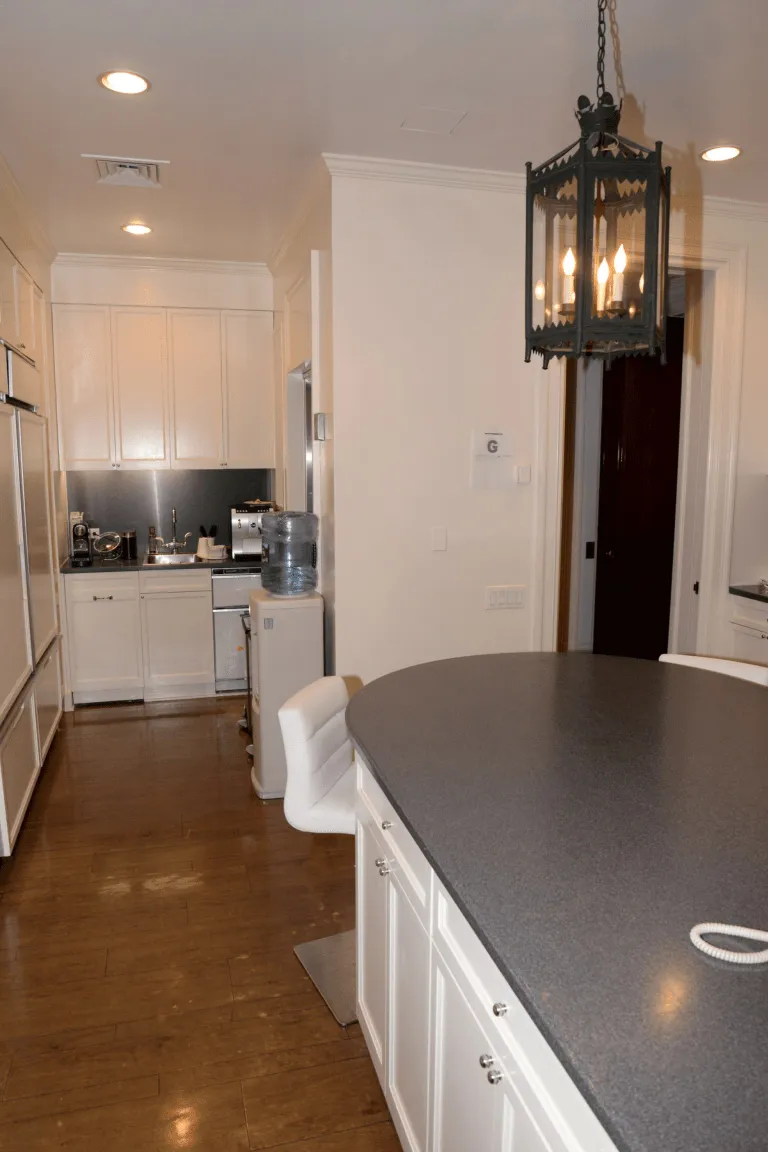
Here's the key word: minor. A full kitchen gut renovation — the kind that costs $60,000–$80,000 — typically returns 50–60 cents on the dollar in most US markets. That's not nothing, but it's not a windfall either.
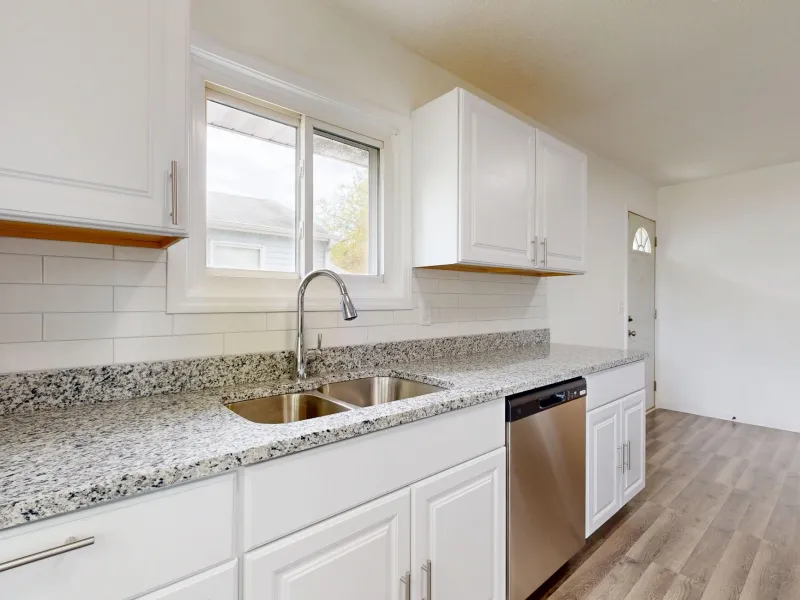
What does return well? Targeted updates that refresh the space without overhauling everything. Replacing cabinet fronts instead of full cabinets, swapping out hardware, installing new countertops, and updating the faucet and sink can collectively transform a kitchen's appearance for a fraction of the full-renovation cost — and buyers respond to that freshness without you having to spend like you're building a restaurant.
The sweet spot is a kitchen that looks updated, functions well, and doesn't show its age. Buyers aren't expecting perfection; they're hoping not to inherit a project.
Exterior Work: Siding, Paint, and Landscaping
First impressions in real estate are ruthlessly real. Buyers form an opinion of a home before they walk through the door, and that opinion is hard to shake once they're inside.
Fiber cement siding replacement (like HardiePlank) has strong ROI figures nationally. A fresh coat of exterior paint — especially on older homes with faded or peeling surfaces — can dramatically improve perceived value at relatively low cost, particularly if you're doing the labor yourself.
Landscaping is trickier. Basic cleanup, defined beds, and healthy grass matter. Elaborate custom landscaping with expensive hardscaping and exotic plants tends not to return its full cost, because buyers have no idea what it cost and often view high-maintenance outdoor spaces as a liability.
The Projects Homeowners Love That Buyers Mostly Don't
Luxury Master Bathrooms
A beautifully tiled walk-in shower with a rainfall head and heated floors sounds incredible. And it is — to live in. But appraisers evaluate bathrooms based on function and condition, not luxury finishes. The gap between what you spend on a high-end bath remodel and what the appraiser recognizes in value can be substantial.
A midrange bathroom update — functional fixtures, updated tile, a new vanity and toilet — returns better than a luxury renovation in most markets. Buyers want clean and updated, not necessarily opulent.
Sunrooms and Room Additions
Additions are among the trickiest projects to evaluate for ROI. They add square footage, which has value. But the cost per square foot to build an addition is almost always higher than the per-square-foot appraised value of the resulting space — especially for sunrooms, which are often not counted as fully conditioned living space.
This doesn't mean additions are never worth it. If you're adding a bedroom to a three-bedroom house in a neighborhood where four-bedroom homes command meaningfully higher prices, the math can work. But a sunroom added to a home that already has plenty of living space in a modest neighborhood is likely a personal enjoyment investment, not a financial one.
Swimming Pools
In Southern California or Arizona, a pool might be a genuine selling point. In Ohio or Minnesota, it's often viewed as a maintenance burden and a liability. Even in warm-weather markets, a pool rarely recoups its full installation cost at resale. If you want a pool, build it for yourself — not for the buyer.
The Condition Baseline: Why It Matters More Than Upgrades
Here's something appraisers and experienced real estate agents will tell you that renovation shows never do: buyers pay for condition before they pay for upgrades.
A home with a dated but functional kitchen, a clean bathroom, a solid roof, updated HVAC, and no deferred maintenance will often sell for more than a comparable home with a gorgeous new kitchen and a failing roof. Buyers and their lenders are acutely aware of what's going to cost them money after closing.
Before you invest in any cosmetic upgrade, make sure the fundamentals are solid. Fix the leak. Replace the water heater that's on borrowed time. Address the cracked driveway. These aren't glamorous, but they remove objections — and in real estate, removing objections is how you protect your price.
How to Think About ROI When You're Not Selling Tomorrow
Not every project needs to pencil out as a pure financial investment. If you're planning to stay in your home for ten or more years, the quality-of-life value of a renovation matters enormously. A kitchen you genuinely love to cook in, a bathroom that feels like a retreat, a finished basement where the family actually spends time — these things have real value, even if an appraiser can't fully quantify them.
The smartest approach is to think in tiers:
- Fix what's broken or deteriorating first. This protects your investment and removes buyer red flags.
- Update what's dated and visible. Fresh kitchens and bathrooms in the midrange move the needle at resale.
- Add what improves your daily life — knowing it may not fully pay back financially, and being okay with that.
The goal isn't to turn your home into a real estate product. It's to make smart decisions so that the projects you tackle serve you well today and don't work against you tomorrow.