Brighten Every Room Without Rewiring Everything: A Practical Lighting Upgrade Guide
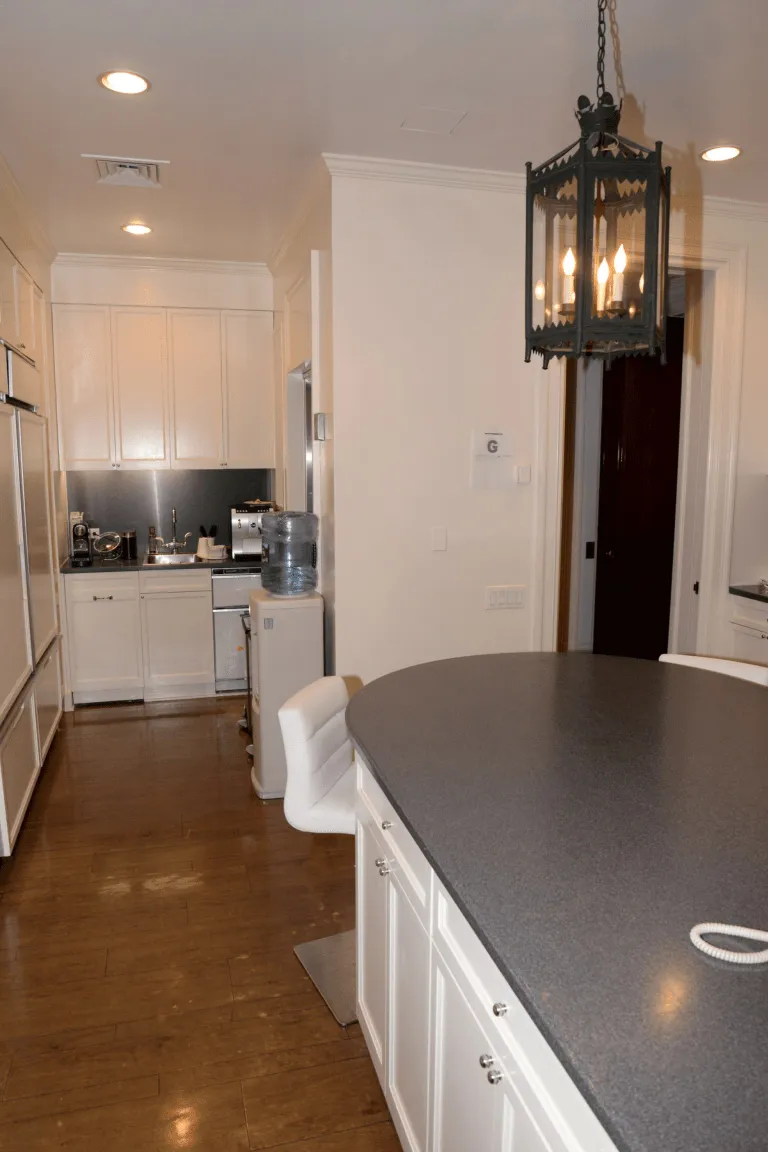
Photo: Federal Bureau of Investigation, Public domain, via Wikimedia Commons
If you've ever walked into a beautifully renovated home and thought, wow, this feels expensive — there's a decent chance the lighting was doing a lot of that heavy lifting. Good lighting is one of those invisible upgrades that people feel before they can articulate it. Bad lighting, meanwhile, makes even a freshly painted room feel dated and flat.
The great news for DIYers? You don't need to tear into your walls or hire an electrician to transform how your home looks and functions. Most meaningful lighting upgrades fall squarely within reach of a confident weekend project. Here's how to approach it room by room — and where to focus your energy for the biggest payoff.
Understanding Your Starting Point
Before you buy a single fixture, take a walk through your home with fresh eyes. Note which rooms feel dim or harsh, where shadows fall awkwardly, and which spaces rely entirely on one overhead source. Single-source lighting — one ceiling fixture with no layering — is the most common culprit behind rooms that feel uninspired.
Good lighting design works in layers:
- Ambient — general overhead illumination
- Task — focused light for specific activities (cooking, reading, applying makeup)
- Accent — decorative or directional light that adds depth and dimension
Most rooms benefit from at least two of these layers. Kitchens and bathrooms ideally have all three. Keep this framework in mind as you plan each room.
The Kitchen: Where Lighting Does the Most Work
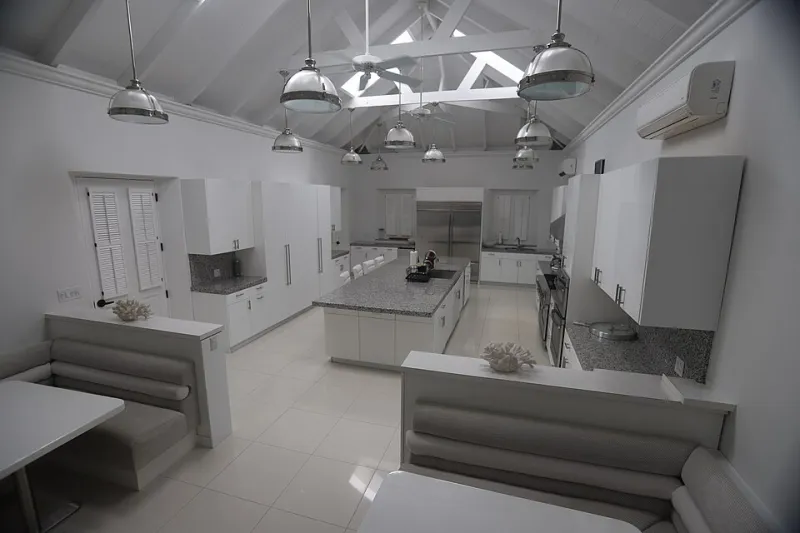
Kitchen lighting is arguably the highest-impact upgrade in the house — both for daily function and for resale value. Buyers notice it immediately.
Under-cabinet lighting is the single easiest win here. Plug-in LED strip lights or puck lights require zero electrical work and instantly eliminate the shadows that make countertop prep miserable. Hardwired versions look cleaner and aren't difficult to install if you're comfortable working with low-voltage wiring — most systems connect directly to an existing outlet inside the cabinet.
Recessed lighting is more involved, but if your kitchen has an unfinished space above (like an attic or accessible crawlspace), adding recessed cans is a realistic DIY project. Retrofit recessed kits designed for existing ceilings are available at most home improvement stores and install through a hole cut in the drywall — no attic access required.
Pendant lights over an island are a fixture swap that can completely redefine the kitchen's personality. As long as you have an existing junction box in the ceiling, swapping a dated flush-mount for two or three pendants is a straightforward job that takes an afternoon.
Bulb color temperature matters here more than anywhere. For kitchens, aim for 2700K–3000K (warm white) for a welcoming feel, or 3500K–4000K if you prefer a crisper, more modern look. Avoid anything above 4000K — it starts to feel clinical.
Living Rooms and Dining Areas: Layer Up
Living rooms suffer most from the single-overhead-fixture problem. A ceiling fan with a built-in light kit is often the only source, leaving corners dark and the whole space feeling flat.
The fix doesn't require new wiring. Floor lamps and table lamps are the easiest way to add layered light, and with smart plugs, you can control them all from your phone or a voice assistant. Place floor lamps in corners to push light into the room's edges — this visually expands the space.
Dimmer switches are a low-cost, high-impact upgrade that many homeowners overlook. A standard dimmer replacement costs $15–$40 and takes about 20 minutes to install. Being able to drop overhead lights to 30% during a movie or dinner changes the entire mood of the room. Just confirm your existing bulbs are dimmable before purchasing — most modern LEDs are, but it's worth checking.
For dining rooms, a statement chandelier or pendant centered over the table is one of the most dramatic fixture swaps you can make. If you already have a ceiling box in the right spot, it's purely a swap — turn off the breaker, disconnect the old fixture, connect the new one. Most pendant and chandelier fixtures come with straightforward instructions, and this is a great first wiring project for newer DIYers.
Bedrooms: Comfort Over Overhead Glare
Bedrooms are where harsh overhead lighting does the most damage to ambiance. The goal here is warmth and flexibility.
Swap your ceiling fixture for a fan with a warm-toned light kit, or replace a harsh overhead with a semi-flush fixture that diffuses light rather than blasting it downward. Look for fixtures with frosted glass or fabric shades.
Plug-in sconces on either side of the bed are a huge functional upgrade that requires zero electrical work. Many styles look completely hardwired — the cord runs behind the headboard or is tucked along the baseboard. This frees up nightstand space and gives each person independent reading light.
Smart bulbs shine in bedrooms. Being able to set a warm, dim scene from your phone while already in bed is genuinely one of those small quality-of-life improvements that feels disproportionately good.
Bathrooms: Task Lighting Is Everything
The most common bathroom lighting mistake is a single fixture centered above the mirror. This setup casts shadows directly onto your face — great for horror movies, terrible for getting ready in the morning.
Side-mounted vanity lights (one on each side of the mirror at roughly eye level) provide even, shadow-free illumination that's far more flattering and functional. If you have a single center fixture, replacing it with two side-mounted sconces does require running new wiring — but if you're comfortable with basic electrical work and the wall is accessible, it's doable.
If rewiring isn't in the plan, a Hollywood-style bar light above the mirror is a significant improvement over a single point source. Combined with a brighter, higher-CRI bulb (look for CRI 90+ for accurate color rendering), it makes a noticeable difference.
Night lights with motion sensors in bathrooms and hallways are a small addition with real practical value — and they're completely plug-in, no tools required.
Smart Lighting: Worth the Investment?
Smart bulbs and switches have come down significantly in price over the last few years. A starter setup — a smart switch controlling overhead lights plus a couple of smart bulbs in lamps — can run as little as $60–$100 per room.
The benefits go beyond convenience. Smart lighting systems let you program schedules (lights that gradually brighten in the morning), set scenes for different activities, and integrate with security setups. From an energy standpoint, the combination of LED bulbs and smart controls can cut lighting-related electricity costs by 50–75% compared to older incandescent setups.
For resale, smart home features are increasingly on buyers' wish lists — particularly in the under-45 demographic. It's not a make-or-break factor, but it adds to the overall impression of a well-maintained, modernized home.
Quick Wins at a Glance
| Room | Easiest Upgrade | Estimated Cost |
|---|---|---|
| Kitchen | Under-cabinet LED strips | $30–$80 |
| Living Room | Dimmer switch swap | $15–$40 |
| Dining Room | Pendant or chandelier swap | $80–$300 |
| Bedroom | Plug-in bedside sconces | $50–$150/pair |
| Bathroom | Upgraded vanity bar light | $60–$200 |
Lighting upgrades offer one of the best returns on investment in home improvement — both in how you experience your home every day and in how it shows when it's time to sell. Start with one room, see how much difference a thoughtful lighting plan makes, and chances are you'll be moving through the rest of the house faster than you expected.