Cabinet Makeover Math: What $700 Actually Buys in a Real Kitchen
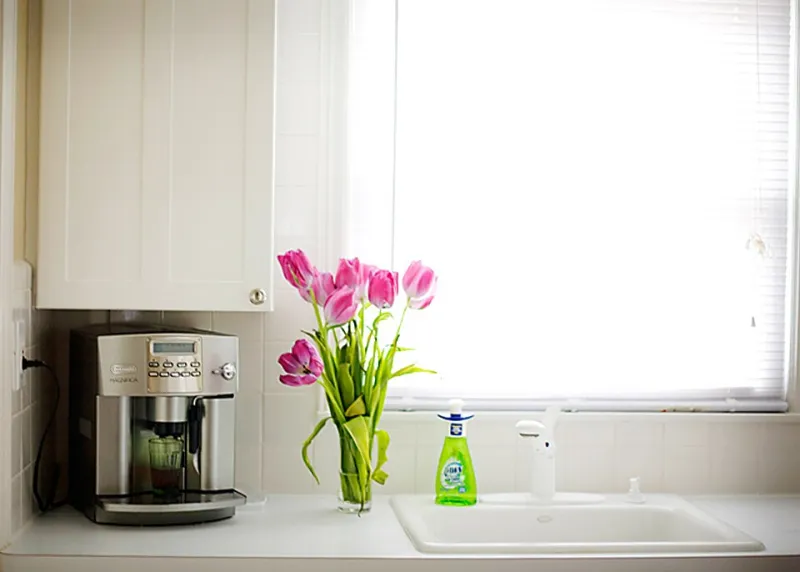
Photo: *Ann Gordon, CC BY-SA 2.0, via Wikimedia Commons
A tired kitchen can make an entire house feel tired. Cabinet refacing ads promise a new kitchen for the price of a decent refrigerator, and the math looks tempting. But a $700 kit is not a magic wand. It is a set of materials with limits. The smart move is to match the method to your cabinet boxes, your patience, and what buyers in your market expect.
What a $700 Kit Usually Includes (and Leaves Out)
At this price, you are generally looking at one of three things: paint supplies for an average kitchen, peel-and-stick veneer for a small run of cabinets, or a partial set of replacement doors and drawer fronts. You are not getting a full rigid refacing system for a large kitchen, new drawer boxes, new hinges, and a professional install for $700.
The hidden costs are prep and hardware. Degreaser, deglosser, primer, cabinet-grade paint, brushes, rollers, tape, drop cloths, and new pulls can add $150 to $300. New hinges, drawer slides, and filler panels can add another $100 to $400. If your cabinet boxes are out of square or water damaged, no door or veneer will fix that.
Option 1: Paint — Best Bang for the Buck, If You Do the Prep
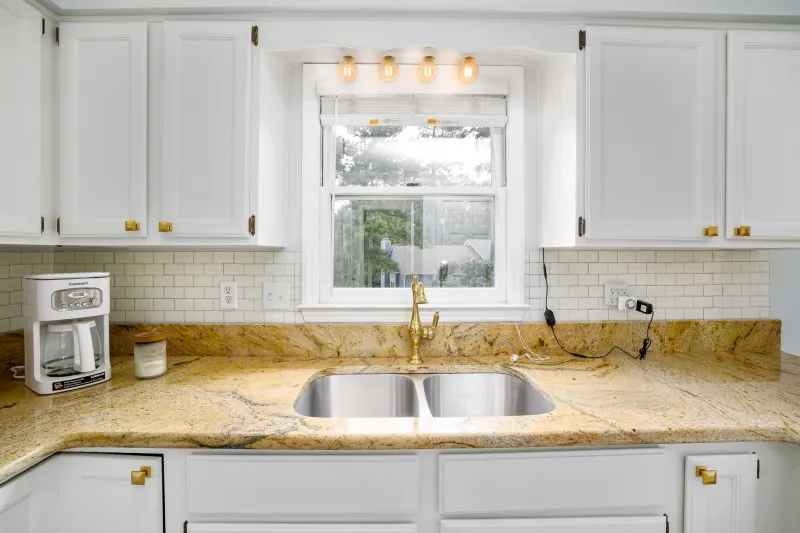
Paint is still the most reliable low-cost update. It covers dated oak, hides minor imperfections, and lets you change the color without changing the layout. The catch is prep. Grease is the enemy. Kitchen cabinets collect a thin film of cooking oil that defeats paint adhesion. Clean with a degreaser, then scuff, then prime with a bonding primer. Use a cabinet-grade paint, not wall paint.
Expect five to seven days for a typical kitchen if you are doing it right: remove doors and drawers, label everything, clean, sand, prime, paint two coats, and let them cure before rehanging. Durability is good if you follow the system. Poor prep shows up as peeling edges and gummed-up drawers within a year.
Option 2: Peel-and-Stick Veneer — Great for Rentals, Risky for Resale
Peel-and-stick veneer can look surprisingly good in photos. It works best on flat, smooth doors with no routing or raised panels. It does not like steam, heat, or frequent wiping near the sink and range. Edges lift. Bubbles appear. In a busy family kitchen, the failure rate is high.
For a rental unit or a quick staging refresh, it can make sense. For a home you plan to sell in the US resale market, be careful. Buyers and inspectors notice peeling veneer, and a cheap-looking cover-up can make them wonder what else was hidden. If you use it, buy extra and keep a roll for repairs.
Option 3: Rigid Refacing Panels — The Middle Path
Rigid refacing panels are thin sheets that go over the cabinet box faces and often include new doors and drawer fronts. They can look clean and durable, but they are unforgiving to measure. You need straight cuts, consistent gaps, and careful work around outlets, hinges, and appliances. A full DIY rigid refacing kit for a mid-size kitchen often lands closer to $1,500 to $4,000, not $700.
This route makes sense if your boxes are solid but the door style is dated. It does not make sense if the boxes are sagging, the layout is bad, or you want a totally different door profile.
Option 4: Replacement Doors and Drawer Fronts — The Real Upgrade
New doors and drawer fronts give you the biggest visual change without touching the boxes. You can choose a current shaker profile, a painted finish, or a wood tone. The catch is fit. Cabinet openings are rarely standard, especially in older homes. You need exact measurements, compatible hinges, and a color match for any visible box faces.
A partial set for a small kitchen can start around $700 to $1,200. A full kitchen usually runs $2,000 to $5,000 or more. This is the option most likely to hold up in resale because it reads as a real update, not a cover-up.
A Decision Framework for Real Kitchens
Ask three questions. First, are the boxes solid and dry? If yes, you can reface or replace doors. If no, save for new cabinets. Second, how busy is the kitchen? High heat and steam punish cheap veneer. Third, what does your neighborhood expect? In a starter condo, paint and new hardware can be enough. In a mid-range suburban house, buyers often expect a durable, neutral finish.
A Weekend-by-Weekend Plan
Weekend one: empty the cabinets, label doors, clean everything, and inspect the boxes. Weekend two: repair, sand, and prime. Weekend three: paint the boxes and doors, then let them cure. Weekend four: rehang doors, install new hardware, and touch up. If you choose replacement doors, add two weeks for measuring and shipping before you start.
The Honest Verdict
A $700 cabinet kit can buy you a genuinely better kitchen if you spend it on paint, prep, and hardware for a small-to-mid kitchen. It cannot buy a full refacing job, and it will not fix bad boxes. Pick the method that matches your kitchen's condition, not the fantasy in the ad.