Your House Isn't a Flip: The Case for Renovating Like You're Staying Forever

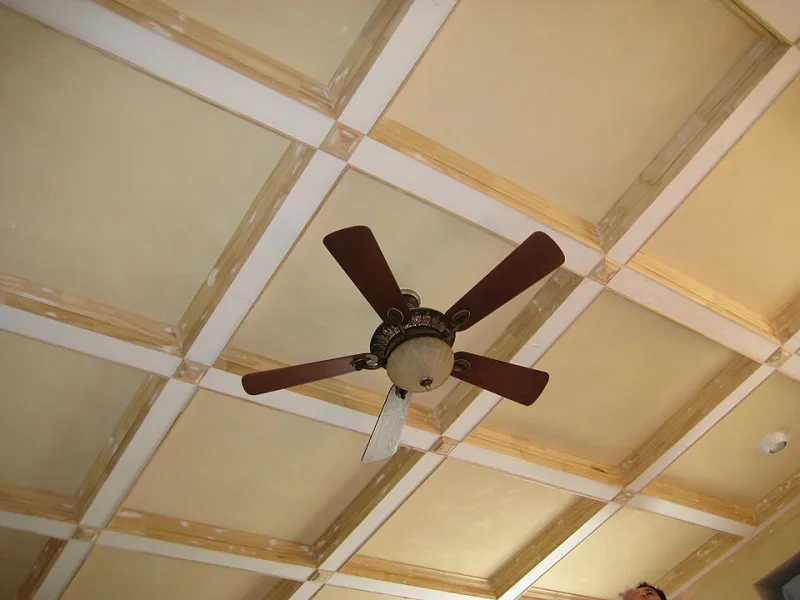
Photo: Neville Wootton from Liskeard, UK, CC BY 2.0, via Wikimedia Commons
Somewhere along the way, American homeowners started renovating like temporary tenants. Open a home improvement magazine and you'll read about "buyer appeal," "timeless finishes," and "return on investment" — as if the most important person in your kitchen is a hypothetical stranger who might purchase your house in 2031.
We think that's backwards. Your home should fit your life first. Here's the case for renovating like you're staying forever — and an honest look at when resale still deserves a seat at the table.
The ROI Trap
The classic advice says minor kitchen remodels recoup most of their cost and pools recoup almost none. Fine. But ROI math quietly assumes the money you didn't spend on the pool went into a savings account, when the reality is it went into four more years of not swimming with your kids.
There's a hidden ledger nobody tracks: the cost of living in a house that doesn't work for you. The kitchen that makes you avoid cooking. The bathroom that's slightly wrong every single morning. Multiply those small frictions across a decade and the "safe" renovation choice starts looking expensive.
What Renovating for Joy Actually Looks Like
We've watched homeowners make these calls, and none of them regret it:
- A couple in Ohio converted their rarely-used formal dining room into a library with floor-to-ceiling shelving. Appraisers would wince. They read in it every night.
- A North Carolina family skipped the "resale-safe" white kitchen and built a bold, colorful one that matches the way they actually cook and host. Their house is the one neighbors remember.
- A remote worker in Arizona spent her budget on a proper home office with real acoustic insulation instead of a third bedroom renovation. Her productivity — and her sanity — doubled.
None of these choices would top an ROI spreadsheet. All of them made homes dramatically better for the people paying the mortgage.
The Honest Middle Ground
Look, we're not telling you to pour concrete over the plumbing and install a carousel. There's a real difference between personal and unmarketable:
Safe to personalize: paint colors, light fixtures, hardware, tile in a powder room, landscaping, one bold accent wall, furniture-scale choices.
Worth keeping broadly appealing: structural layouts, expensive built-ins in odd configurations, anything involving major plumbing relocation, and finishes in the most expensive room (the kitchen).
A good rule of thumb: the cheaper and easier something is to change, the more freedom you have to make it weird and wonderful.
Ask the Right Question Before You Spend
Instead of "what will a buyer pay for?" ask: "what will I use 300 times a year?" A mudroom bench you touch every day beats a formal living room you enter twice a year. A dedicated hobby room beats a guest bedroom that hosts three weekends annually.
If you genuinely plan to move within two or three years, sure — renovate conservatively. But if this is a long-term home, you're not the interim caretaker of a future stranger's asset. You're the owner.
Live in It First
Our favorite advice for new homeowners: wait a full year — all four seasons — before major renovation decisions. You'll learn that the "formal dining room" is actually where the afternoon light is best, or that you never use the soaking tub. Renovating for your real life requires knowing what your real life is.
The houses we remember, the ones that feel like homes instead of staged listings, belong to people who stopped renovating for the next owner. Fix it, build it, love it — in that order, and for yourself.